Leisure cruiser or entertaining yacht: which boat fits your lifestyle?
Understanding the difference between a personal cruiser and a social yacht
When you start looking at boats, the first question is rarely about length or engine power. It is about how you plan to use the time on the water. Do you want quiet weekends exploring coves and anchorages with a small group of close friends? Or do you imagine hosting gatherings where guests move between decks, enjoy a well-stocked bar, and stay overnight in cabins that feel like a boutique hotel? These two visions lead to very different boats, and the choice affects everything from hull design to running costs.
A leisure cruiser is built for comfort, range, and self-sufficiency. Think of it as a floating cottage that can take you from one coastal town to another, with a galley, a proper berth, and enough storage for provisions. An entertaining yacht, by contrast, prioritises social spaces: a large cockpit, a saloon that opens onto the deck, multiple cabins for guests, and often a flybridge or upper deck for lounging. The hull may be designed for stability at rest rather than speed, because the boat spends much of its time anchored or moored while people move around.
For a reader of chichotclub.com, an ultra luxury lifestyle magazine covering designer fashion, fine jewellery, luxury accessories, vintage wine, boats and premium travel-inspired living, the distinction matters because the boat becomes an extension of how you entertain and unwind. The wrong choice can leave you either cramped on a weekend away or underutilising a large social platform when you are alone or with just one other person.
How a leisure cruiser serves the private explorer
A leisure cruiser is usually between 30 and 50 feet long, though some are smaller. The layout centres on a forward cabin, a main saloon with a dinette, and an aft cockpit. The galley is compact but functional, and the head includes a shower. The engine room is accessible but not intrusive. These boats are designed for passages: they handle well in a chop, have decent fuel and water tanks, and often include a generator for extended stays away from shore power.

If you enjoy waking up in a new anchorage each morning, taking the dinghy ashore to explore a village, and reading in the cockpit as the sun sets, a leisure cruiser suits you. The social life on board is intimate: dinner for four in the saloon, a bottle of wine shared on deck, quiet conversation without music or crowds. The boat becomes a private retreat. Running costs are lower than for a larger yacht because the engines are smaller, the systems are simpler, and marina berths are easier to find.
What you give up is the ability to host more than a handful of guests. The cockpit seats six at most. There is no dedicated bar area, no separate crew quarters, and no space for multiple couples to have privacy. If you want to invite eight or ten people for a day on the water, a leisure cruiser feels cramped. Guests end up sitting on the cabin roof or perching on the transom, which is neither comfortable nor safe when the boat is underway.
What an entertaining yacht brings to social hosting
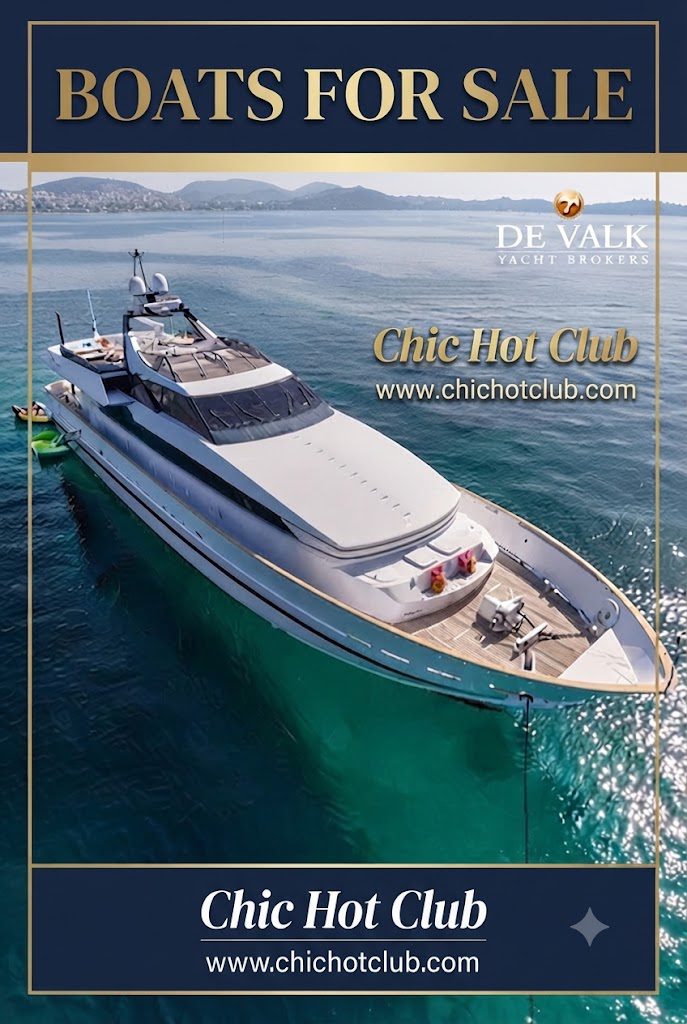
An entertaining yacht is typically 50 feet and above, often with a beam of 15 feet or more. The extra width allows for a full-beam master stateroom, guest cabins with en-suite heads, a large saloon with a wet bar, and a cockpit that can accommodate a dozen people without anyone feeling crowded. Many such yachts have a flybridge with a second helm station, a sun pad, and a table for al fresco dining. The galley is a proper kitchen with a dishwasher, an ice maker, and refrigeration that can handle a weekend's worth of provisions for a large party.
The hull form is often a semi-displacement or full-displacement shape, which provides a stable platform at rest. This is critical when guests are moving around with drinks in hand. The stabilisers, either fins or gyros, reduce roll while anchored, making the boat feel more like a floating terrace than a vessel at sea. Entertaining yachts also carry a larger tender, often a rigid inflatable with a powerful outboard, so that guests can be ferried ashore or taken on excursions without crowding the main boat.
If your idea of a perfect day on the water involves a Champagne brunch, a swim stop, and an evening with cocktails and music, an entertaining yacht is the right choice. You can invite different groups on different weekends, and the boat becomes a social hub. The downside is that everything costs more: fuel consumption at cruising speed is high, marina fees are based on length, and maintenance on multiple systems adds up. You also need a captain or a very experienced owner to handle a boat of this size safely, especially when manoeuvring in tight marinas.
Key factors that tip the balance one way or the other
The decision comes down to a few practical considerations. Think about how many people you typically spend time with on the water. If it is rarely more than four or five, a leisure cruiser gives you everything you need without the overhead. If you often host groups of eight or more, the larger entertaining yacht becomes necessary for comfort and safety.
Another factor is how far you plan to travel. A leisure cruiser with a displacement hull can cover long distances at seven or eight knots, burning relatively little fuel. An entertaining yacht with planing hulls can go faster, but the fuel bill rises steeply with speed. If your cruising ground is a local bay or a chain of islands within a few hours of your home port, speed matters less than space. If you want to make longer passages, fuel efficiency and range become more important.
Storage is also a consideration. A leisure cruiser has less space for wine, provisions, and guest luggage. An entertaining yacht can carry a serious wine collection, multiple sets of linens, and the kind of tableware that suits a formal dinner. For someone who values provenance and vintage wine, the ability to store bottles at the right temperature and serve them in proper glassware is part of the experience. A larger boat makes that possible without sacrificing other storage.
Running costs and crew considerations
Running costs are not just about fuel. Berthing fees, insurance, maintenance, and winter storage all scale with length. A 35-foot cruiser might cost a fraction of what a 60-foot yacht costs to keep. If you plan to use the boat mainly as a second home rather than a party venue, the lower costs of a cruiser free up budget for other luxury interests such as fine jewellery or premium travel.
On the crew side, a leisure cruiser can be handled by one or two people. You do not need a professional captain or a deckhand. An entertaining yacht above 50 feet usually requires a crew of at least two, sometimes more, especially if you want to entertain while underway. That adds a recurring expense and reduces the sense of privacy. Some owners enjoy the presence of a crew, but it changes the dynamic from a private escape to a managed experience.
When the two worlds blend: a dual-purpose approach
Some boats try to bridge the gap. A 45- to 50-foot cruiser with an open-plan layout, a large cockpit, and a flybridge can serve both roles adequately. You lose a little private space compared to a dedicated cruiser, and you gain some social capacity without jumping to a full crewed yacht. The trade-off is that the boat is not perfect for either extreme. If you know you will spend most of your time alone or with one other person, the compromises may not be worth it. If you plan to entertain often but not exclusively, a dual-purpose design can be a good fit.
The key is to be honest about your typical use case, not your aspirational one. Many buyers imagine hosting glamorous parties but end up using the boat as a quiet escape. If that sounds familiar, start with a leisure cruiser. You can always charter a larger yacht for the occasional big event, and the savings in ownership costs will more than cover the charter fees.

Making the choice that suits your lifestyle
There is no wrong answer, only a mismatch between the boat and how you live. A leisure cruiser rewards the solo sailor or the couple who value privacy and range. An entertaining yacht suits the social host who wants to share the water with a crowd. Both can be beautiful, well-built vessels, and both can provide years of enjoyment. The right choice comes from understanding which kind of day on the water makes you happiest, and then finding a boat that delivers that experience without unnecessary compromise.
For more on how premium luxury gifts and lifestyle choices reflect your personal taste, chichotclub.com offers regular features on the finest boats, vintage wine, and travel-inspired living. Whether you lean toward a private cruiser or a floating party venue, the most important thing is that the boat fits your life, not the other way around.